


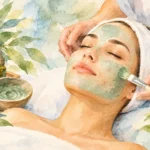
That tight, papery feeling after cleansing is not always a sign that your skin is dry. Often, it is dehydrated – temporarily low on water and asking for more thoughtful care. A facial for dehydrated skin can help replenish moisture, soothe visible stress, and bring back the soft, luminous finish that makes skin feel comfortable again.
Dehydration can affect every skin type, including oily and acne-prone skin. It may show up as fine lines that seem more noticeable than usual, dullness beneath makeup, tightness around the cheeks, or an unexpected mix of oiliness and flaking. The right professional facial is not about piling on rich products. It is about restoring balance with gentle techniques and formulas selected for your skin’s current condition.
Dehydrated Skin Is Not the Same as Dry Skin
Dry skin is a skin type with less natural oil production. Dehydrated skin is a temporary skin condition caused by a lack of water in the skin. A person with naturally oily skin can still be dehydrated, particularly after over-cleansing, using strong exfoliants, traveling, spending time in dry indoor air, or recovering from a stressful stretch.
The distinction matters when choosing a treatment. Very heavy oils can feel comforting on some dry skin types, but they do not automatically solve dehydration. A well-designed facial focuses on humectants that draw water into the skin, barrier-supporting ingredients that help hold it there, and a treatment approach that does not leave the complexion feeling stripped.
A trained esthetician will also look at your skin beyond the surface. Sensitivity, congestion, redness, seasonal changes, acne treatments, and your at-home routine can all influence what your skin needs that day.
What a Facial for Dehydrated Skin Should Include
A hydration-focused facial should feel restorative from the first cleanse through the final protective layer. While every treatment is personalized, the best approach usually begins with a gentle cleanse that removes makeup, sunscreen, and buildup without disrupting the skin barrier.
Your esthetician may use light exfoliation to lift dull surface cells so hydrating products can absorb more effectively. This is where customization is essential. If your skin is visibly irritated, peeling, or highly reactive, aggressive exfoliation can worsen discomfort. A mild enzyme treatment or a softer approach may be more suitable than a strong acid peel or abrasive scrub.
Next comes the replenishing portion of the service. Hydrating serums, masks, and massage techniques can help skin feel plumper and more relaxed. Ingredients such as hyaluronic acid, glycerin, ceramides, peptides, and soothing botanical extracts are often beneficial, depending on your sensitivities and goals. Gentle facial massage also offers a welcome moment of release, supporting circulation while easing the tension we tend to hold in the jaw, brow, and temples.
A finishing moisturizer and sunscreen help protect the results. Hydration is not just about adding moisture during an appointment. It is also about helping your skin retain it after you leave.
When Extractions Make Sense
Dehydrated skin can look congested, especially around the nose, chin, and forehead. In some cases, careful extractions may be included in your facial. They should be thoughtful, not automatic. If the skin is inflamed or overly sensitive, focusing on calming and hydration may be the better choice.
This is one reason a customized spa facial is more valuable than a one-size-fits-all service. Your treatment should respond to what your skin is showing you, not follow a fixed script.
Why Skin Becomes Dehydrated
Many people reach for a new moisturizer when their skin feels tight, only to find that the issue keeps returning. That is because dehydration is often connected to daily habits and environmental stressors.
Hot showers, harsh cleansers, frequent exfoliation, retinoids, acne products, and alcohol-heavy toners can all contribute. Cold Midwest winters and air-conditioned summers can be equally challenging, especially when indoor humidity is low. Long flights, inadequate sleep, stress, and not drinking enough fluids may also leave the complexion looking less refreshed.
You do not have to give up every active product to support hydration. The goal is balance. A more intensive exfoliating treatment may be appropriate when your skin is resilient and congested, while a gentler, moisture-focused facial may be the right choice when it feels tight, sensitive, or lackluster.
How to Prepare for a Hydrating Facial
For the best experience, avoid experimenting with strong new products in the days before your appointment. Pause harsh scrubs or at-home peels if your skin feels irritated, and let your esthetician know about any prescription skincare, recent cosmetic treatments, allergies, or history of sensitivity.
Arriving with a clear picture of your routine is useful. Bring up the cleanser, serums, acne products, and makeup products you use regularly, as well as any changes you have noticed. Does your foundation suddenly cling to dry patches? Do your cheeks sting after washing? Has your skin become oily by midday but tight at night? These details help guide the treatment.
If you are planning a special event, schedule your facial with enough time for your skin to settle. A calming hydration facial is generally a beautiful pre-event option, but your esthetician can help determine the right timing based on your skin and the level of exfoliation involved.
Extending Your Results at Home
A professional facial gives your skin a fresh start, but your daily routine determines how long that comfortable glow lasts. Keep cleansing gentle and avoid the urge to wash more often just because your skin looks shiny. Over-cleansing can signal the skin to produce more oil while making dehydration worse.
Apply hydrating serums to slightly damp skin, then follow with a moisturizer suited to your skin type. This simple layering approach helps reduce water loss. In the morning, finish with broad-spectrum sunscreen, since sun exposure can weaken the skin barrier and contribute to dryness, uneven texture, and premature-looking lines.
It also helps to adjust with the seasons. A lightweight gel moisturizer may feel perfect in humid weather, while a richer cream can be more comfortable when temperatures drop. If you use retinol, exfoliating acids, or acne treatments, alternating them with recovery nights can give your barrier time to reset.
Hydration also benefits from everyday wellness habits. Drinking water, managing stress where possible, and prioritizing rest will not replace skincare, but they can support a complexion that looks more rested and resilient.
When to Choose a Professional Treatment
At-home hydration masks are lovely for maintenance, but persistent tightness, flaking, redness, or sensitivity deserves professional attention. An esthetician can help identify whether dehydration is the main concern or whether your skin may be reacting to irritation, over-exfoliation, or a product mismatch.
For skin that needs more than a surface refresh, a regular facial schedule can be a meaningful part of a self-care routine. At Che Bellezza Spa, personalized facial care pairs soothing spa comfort with knowledgeable skin guidance, so your treatment can feel as relaxing as it is results-focused.
If your skin is severely inflamed, cracking, burning, or experiencing an ongoing rash, postpone cosmetic treatments and speak with a dermatologist. A facial should leave you feeling cared for, never pushed past your skin’s limits.
Your skin does not need to feel dry to deserve hydration. A gentle, customized facial can be the quiet reset that helps it look smoother, feel calmer, and hold onto that healthy radiance a little longer.
